
Plumbing Maintenance and Inspections in Hamilton
Routine checks that catch a worn valve, a weeping line or a tired sump pump before it turns into a wet basement.
Leaks usually give a warning first: a valve that weeps at its stem, a braided line with a rusty crimp, a crust around the water heater’s relief valve, a sump pump that runs longer than it used to. A plumbing check looks for those signs while they are still small and simple to put right.
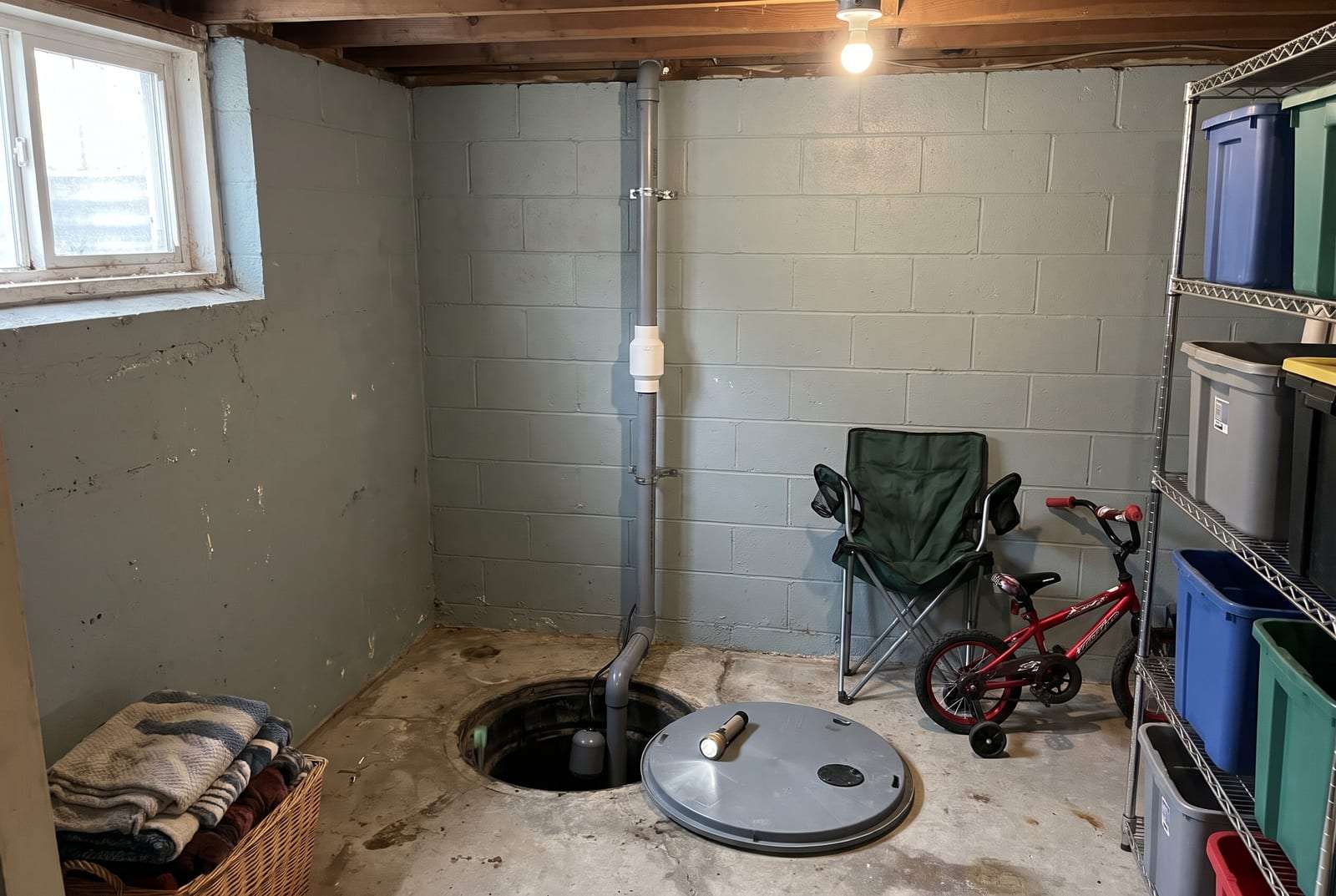
On a check, a plumber usually turns each shutoff to see that it still closes, looks under every sink with a light, flushes each toilet, reads the water heater’s age from its label, lifts the sump pump’s float and puts a gauge on a hose bib. Anything that needs work gets an estimate only after it has been looked at.
Eight Things a Plumbing Check Looks At
More columns to the right: swipe.
| Item checked | What is looked at | Warning signs |
|---|---|---|
| Supply lines and shutoffs | Braided lines at sinks, toilets and the washer; whether each valve closes | A bulging hose, rust at a crimp, a valve that will not turn |
| Faucets and toilets | Spouts and handles, the fill valve and flapper, the seal at the base | Ghost flushing, a bowl that rocks, a stain around the base |
| Under-sink traps | Slip nuts, the trap, the disposal and dishwasher connections | A swollen cabinet floor, white crust at a joint, a sour smell |
| Water heater and its relief valve | Age, the relief valve and discharge pipe, the tank base, the vent on gas units | Rust at the base, water in the pan, a crusted relief valve, rumbling |
| Sump pump | The float, the check valve, the discharge line, the pit | Running constantly or never, no check valve, discharge against the foundation |
| Outdoor spigots | Frost-free or standard, the vacuum breaker, the inside shutoff | A drip at the spout, damp drywall behind it in spring |
| Visible drain lines | Cast-iron stacks, cleanouts, joints and the floor drain | Rust scale or cracks, a weeping joint, sewer smell |
| Water pressure | A gauge at a hose bib, the pressure-reducing valve if there is one | Readings above 80 psi, banging pipes, weak showers when it is low |
A check covers the drain lines you can see. The sewer line under the yard takes a camera, which is covered on Drains & Sewers.
A Seasonal Checklist for Homeowners
Much of this you can do yourself in half an hour.
Before the First Hard Freeze
- Disconnect garden hoses so the spigots can drain.
- For spigots that are not frost-free, close the inside shutoff and open the outside faucet.
- Wrap pipes in crawl spaces, unheated garages and outside walls with foam insulation.
- Find the main shutoff and make sure it turns.
Spring Check of Spigots and the Sump Pump
- The first time you use each spigot, look inside behind it for drips; a freeze split often shows only then.
- Pour a bucket of water into the sump pit and watch the pump start, empty it and shut off.
- Make sure the discharge line is clear and empties away from the foundation.
Leak Watch Through the Year
- With all water off, watch the meter’s leak indicator for 15 minutes; if it moves, something is leaking.
- Once a month, look under the sinks with a flashlight and feel the cabinet floor.
- Put food coloring in each toilet tank; color in the bowl 15 minutes later means a worn flapper.
How Often to Have the Plumbing Looked Over
How often should a house have its plumbing checked?
Once a year suits many houses, ideally in the fall, before the freezes and the sump pump’s busy season. A newer house with copper or PEX can go longer between checks.
Is a plumbing check useful before buying a home?
Often, yes. A general home inspection usually runs a few faucets. A plumber can run water at every fixture, say what the pipes are made of, read the water heater’s age, check the main shutoff and, with a camera, look inside the sewer line. It is not a formal inspection report, but it shows what may need work soon.
Is it worth a check before selling?
It can be. Fixing a running toilet, a dripping faucet or a stuck shutoff before listing takes small items off the buyer’s inspection list.
Can I test the water heater’s relief valve myself?
You can lift the lever briefly with a bucket under the pipe, but the water can scald, and an old valve may not seat again. If it has not been opened in years, leave it for a plumbing check.
Freezes, River-Valley Basements and Sump Pits
Hamilton sits on the Great Miami River, and many older houses here have stone or block basements with a floor drain and a sump pit. Groundwater rises with the spring rains, and a pump that sat idle all winter can stick right when it is needed, often because its float has caught on the pit wall.
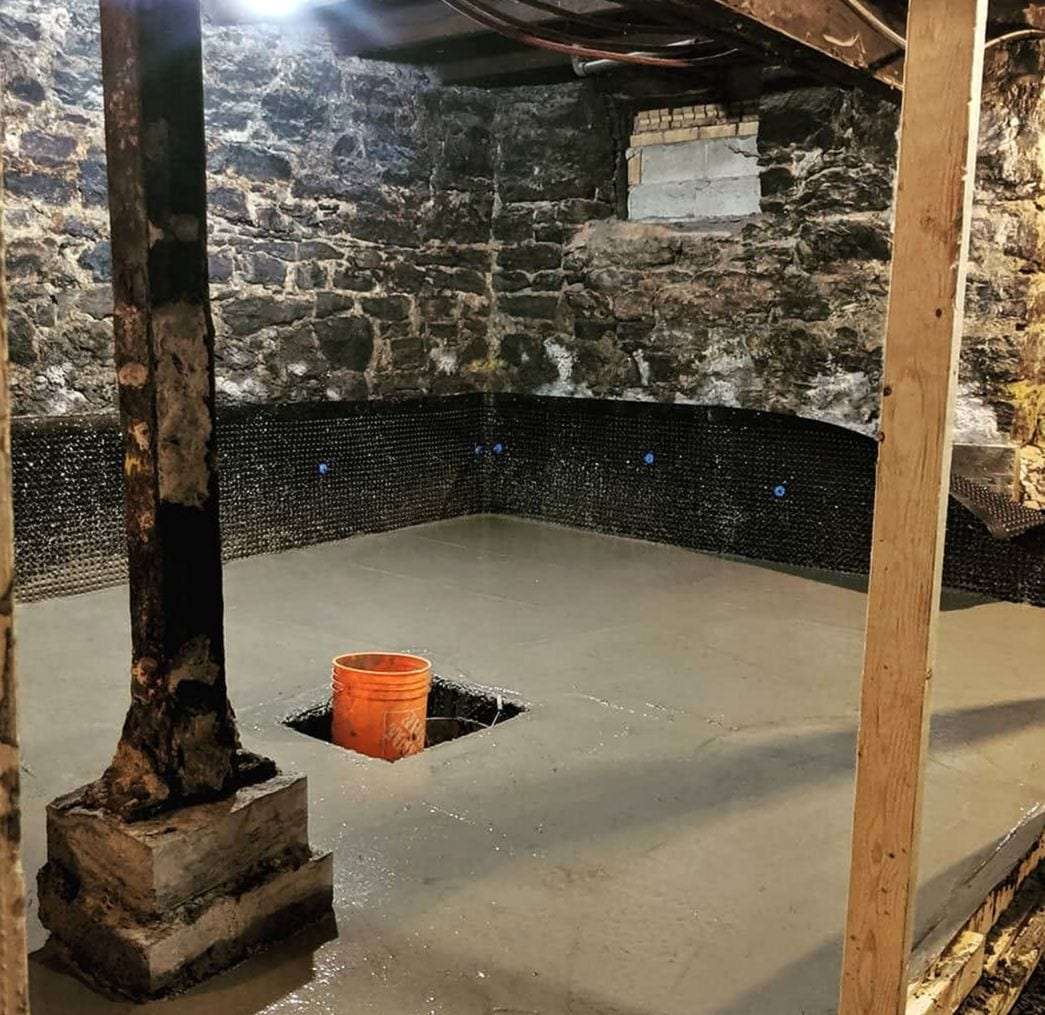
Southwest Ohio winters bring hard freezes too. Spigots that are not frost-free and pipes in outside walls, crawl spaces or unheated garages are the ones that split, often showing nothing until the thaw. A check in the fall finds them while they can still be insulated.
Our sump pump was running constantly and I was worried about the basement flooding. He came out and found the float switch was sticking, so the pump got replaced. Turns out there was never a check valve on it either, so he put one in. He even walked outside to look at the discharge line and told us what he saw. We feel a lot better heading into spring now, honestly.
Want the shutoffs, sump pump and water heater looked over?